For most homeowners, “cleaning” is just a routine task. But did you know that the air inside your home can be up to 5 times more polluted than outdoor air? Dust, allergens, and microbial contaminants don’t just affect your home’s appearance, they directly impact your health, comfort, and well-being.
Here’s what you need to know.
1. Common Indoor Allergens
Indoor allergens are microscopic particles that trigger allergic reactions, asthma, and respiratory irritation. The most common include:
Dust mites — tiny creatures living in bedding, carpets, and upholstery
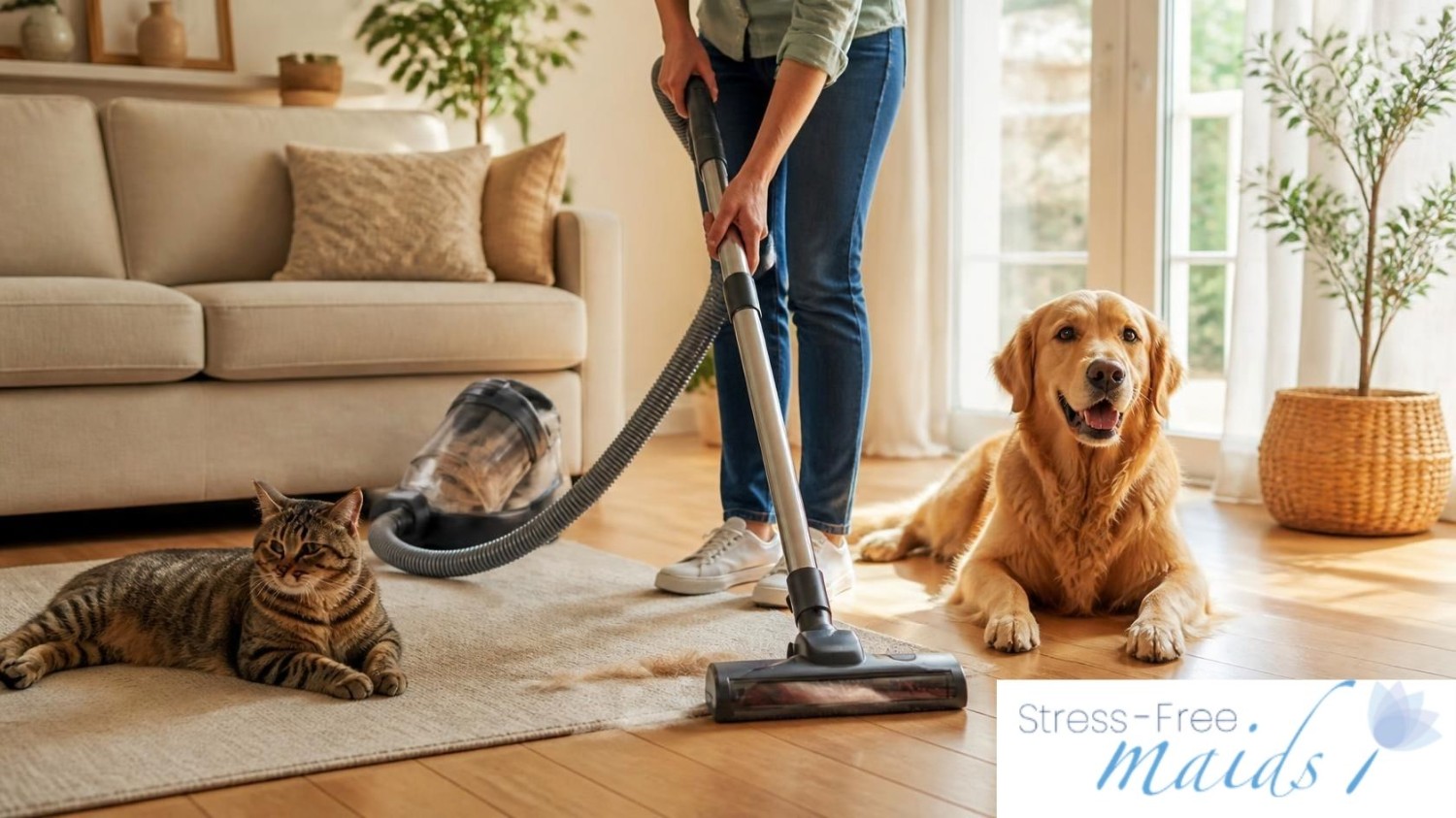
Pet dander — skin flakes from cats, dogs, and other pets
Mold spores — thrive in humid bathrooms, basements, or around leaks
Pollen — enters through windows, doors, and on clothing or pets
Bacteria & viruses — found on high-touch surfaces
Even if your home looks clean, these invisible particles can accumulate and compromise air quality.
2. How Poor Air Quality Affects Health
Exposure to indoor allergens can result in:
Sneezing, coughing, and runny nose
Itchy or watery eyes
Skin irritation
Respiratory issues or asthma flare-ups
Fatigue or difficulty concentrating
Children, seniors, and pets are especially vulnerable to prolonged exposure.
3. Why Regular Professional Cleaning Makes a Difference
Routine household cleaning can reduce surface dirt, but professional cleaning targets deeper allergens and pollutants:
High-efficiency vacuums (HEPA filters) trap microscopic particles that ordinary vacuums cannot
Sanitizing surfaces removes bacteria and viruses from high-touch areas
Deep cleaning carpets, rugs, and upholstery reduces dust mites, dander, and pollen
Vent cleaning support improves air circulation and decreases indoor particulate matter
Professional cleaning isn’t just about aesthetics — it’s about creating a healthier living environment.
4. The Science of Allergen Reduction
Studies show that homes with regular professional cleaning have:
Significantly lower dust mite counts
Reduced microbial contamination
Improved overall indoor air quality
This translates into fewer allergy symptoms, better respiratory health, and a safer home for children and pets.
5. Simple Steps to Support Air Quality Between Cleanings
While professional cleaning is essential, homeowners can also:
Wash bedding and pet bedding weekly in hot water
Vacuum at least twice a week using a HEPA-filter vacuum
Maintain humidity around 40–50% to limit dust mites and mold
Wipe down high-touch surfaces regularly
Ensure proper ventilation and air filtration
Combined with professional services, these steps maintain long-term health benefits.
Clean Homes, Healthy Lives
Indoor allergens are often invisible, but their impact is real. Professional cleaning not only restores your home’s appearance — it protects your health, improves air quality, and creates a safer environment for your family and pets.
At Stress-Free Maids, we specialize in:
Deep cleaning and sanitizing
High-traffic area maintenance
Carpet, rug, and upholstery care
Allergy-conscious cleaning practices
A cleaner home is more than tidy it’s a healthier, happier home.